

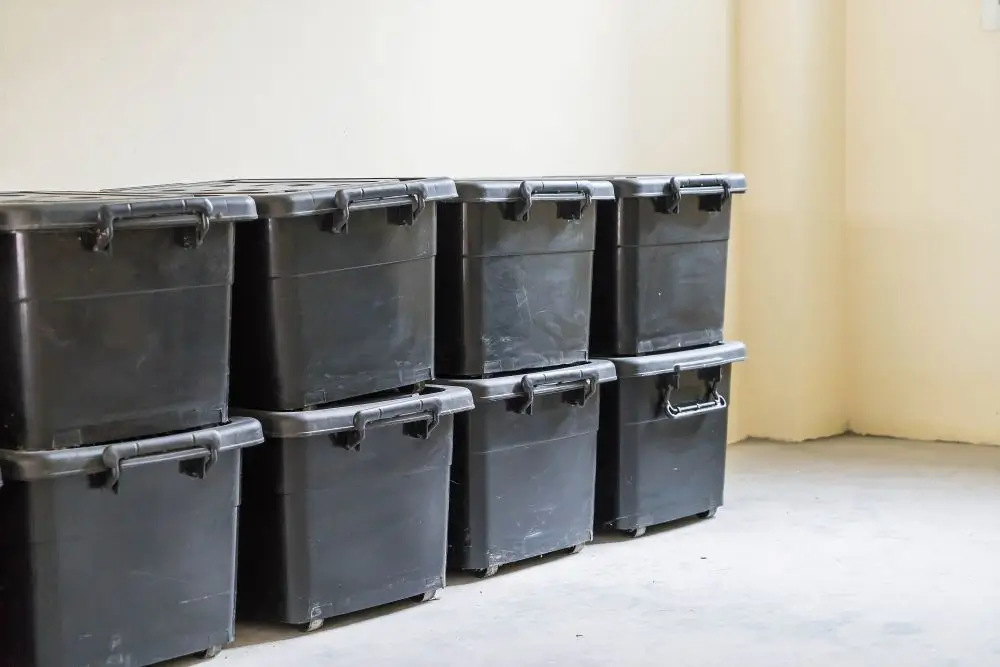
Material handling inside a food-processing facility carries a different set of demands than almost any other industrial environment. Every container, cart, and piece of equipment that touches product needs to withstand constant washdown, resist bacterial growth, and move efficiently through a production line without introducing contamination risk or slowing throughput. The dump buggy, a mobile container designed to transport bulk materials and empty them through a tilting or hydraulic dumping mechanism, has become a fixture in facilities working to solve exactly this combination of problems. Looking at how these carts function across material handling, sanitation, ergonomics, and overall production flow shows why they’ve earned a place in so many processing environments.
Streamlining the Movement of Bulk Materials
Food-processing operations generate a constant flow of bulk materials that need to move between stations, whether that’s raw ingredients heading toward a mixing or portioning line, byproduct being cleared away from a cutting station, or finished product being transported toward packaging. A dump buggy handles this movement more efficiently than the alternative of repeated manual transfers between smaller containers, since a single cart can hold a substantial volume and get wheeled directly to wherever that material needs to go next.
This efficiency matters considerably in facilities running continuous or near-continuous production schedules, where any bottleneck in material movement has a direct effect on overall line speed. A properly sized dump buggy reduces the number of trips workers need to make between stations, consolidating what might otherwise be several smaller transport tasks into a single, more efficient movement. Facilities that rely on smaller, less capable containers often find workers spending a disproportionate share of their time on repetitive material transport rather than on the actual processing tasks that generate value.
Meeting the Sanitation Standards Food Processing Demands
Sanitation requirements in food processing go well beyond general cleanliness expectations found in other industrial settings, given the direct risk that contaminated equipment poses to food safety. Equipment used in these environments needs to withstand frequent, often aggressive washdown procedures involving high-pressure water, sanitizing chemicals, and in some cases elevated temperatures, all without degrading in ways that create hidden spots for bacterial growth.
Dump buggies built specifically for food-processing environments typically use stainless steel or other corrosion-resistant materials, along with smooth, rounded internal surfaces that avoid the seams and crevices where residue can accumulate and resist standard cleaning. This design consideration matters because equipment with hard-to-clean geometry becomes a recurring sanitation risk regardless of how diligently staff follow cleaning protocols, since some contamination sources simply aren’t accessible to normal washdown procedures. A well-designed dump buggy removes this risk at the design stage rather than depending entirely on cleaning staff to compensate for equipment that wasn’t built with sanitation as a primary consideration.
Reducing Physical Strain Through Better Ergonomics
Manual material handling in food processing has historically placed considerable physical strain on workers, particularly when moving and emptying heavy containers repeatedly throughout a shift. Lifting, tilting, and manually dumping loaded containers by hand contributes to a meaningful share of the musculoskeletal injuries reported in food-processing environments, and this repetitive strain accumulates over time even when individual lifts fall within generally accepted safety guidelines.
A dump buggy addresses this directly through its dumping mechanism, whether hydraulic, mechanical, or a simple tilt-assist design, which removes the need for workers to manually lift and invert a heavy, loaded container. A few practical ergonomic benefits tend to follow from this design:
- Reduced strain on the lower back and shoulders during material transfer and dumping.
- Fewer repetitive lifting motions across a full shift, lowering cumulative fatigue.
- Lower injury risk associated with handling wet, potentially slippery loaded containers.
- Improved worker comfort that supports sustained productivity across longer shifts.
Facilities that invest in properly designed dumping equipment often see this reflected in reduced injury reports and lower worker turnover tied specifically to physically demanding material handling roles, since sustained physical strain is a common factor in why workers leave these positions.
Supporting Smoother Production Flow
Production flow in a food-processing facility depends on materials arriving where they’re needed without unnecessary delay, and bottlenecks anywhere along that chain tend to ripple through the entire line. A dump buggy supports smoother flow by giving facilities a mobile, high-capacity option for moving materials exactly when and where a given production stage requires them, rather than depending on fixed conveyor infrastructure that can’t easily adapt to changing production needs or layout adjustments.
This flexibility proves particularly valuable in facilities that run multiple product lines or that need to reconfigure their layout periodically to accommodate seasonal demand or new product introductions. A dump buggy can be redeployed to a different station as needs shift, offering a level of adaptability that fixed handling systems generally can’t match without significant reinstallation effort. Facilities balancing this kind of operational flexibility against the efficiency of more automated handling systems often find that a fleet of well-designed dump buggies fills the gap between fully manual transport and a permanently fixed conveyor system.
Selecting the Right Dump Buggy for a Facility’s Needs
Not every dump buggy suits every food-processing application, and selecting the right configuration requires matching the equipment to a facility’s actual material characteristics and production layout. Capacity needs to align with the volume of material moved between stations, since an undersized cart forces more frequent trips while an oversized one becomes unwieldy to maneuver through tight processing floor layouts. The dumping mechanism itself, whether manual tilt, mechanical assist, or full hydraulic operation, should match both the weight of typical loads and the physical capabilities of the staff who will operate the equipment daily.
Facilities working with companies like CMP that specialize in food-grade material handling equipment benefit from guidance on matching cart specifications to their specific production environment, rather than selecting equipment based on general industrial specifications that don’t account for the particular sanitation and handling demands food processing requires. Getting this selection right at the outset avoids the common problem of equipment that technically functions but doesn’t actually fit how a facility’s production line operates day to day.
End Note
Dump buggies address several distinct challenges that food-processing facilities face simultaneously, moving bulk materials efficiently, meeting strict sanitation requirements, reducing the physical strain that manual handling places on workers, and supporting a production flow that can adapt as operational needs change. Facilities that treat these carts as a deliberate equipment investment, selecting the right capacity, material, and dumping mechanism for their specific operation, tend to see meaningful improvements across all four of these areas rather than a marginal gain in just one. As food-processing operations continue facing pressure to improve both safety and throughput simultaneously, well-designed material handling equipment like the dump buggy represents a practical, proven way to make measurable progress on both fronts at once.
