

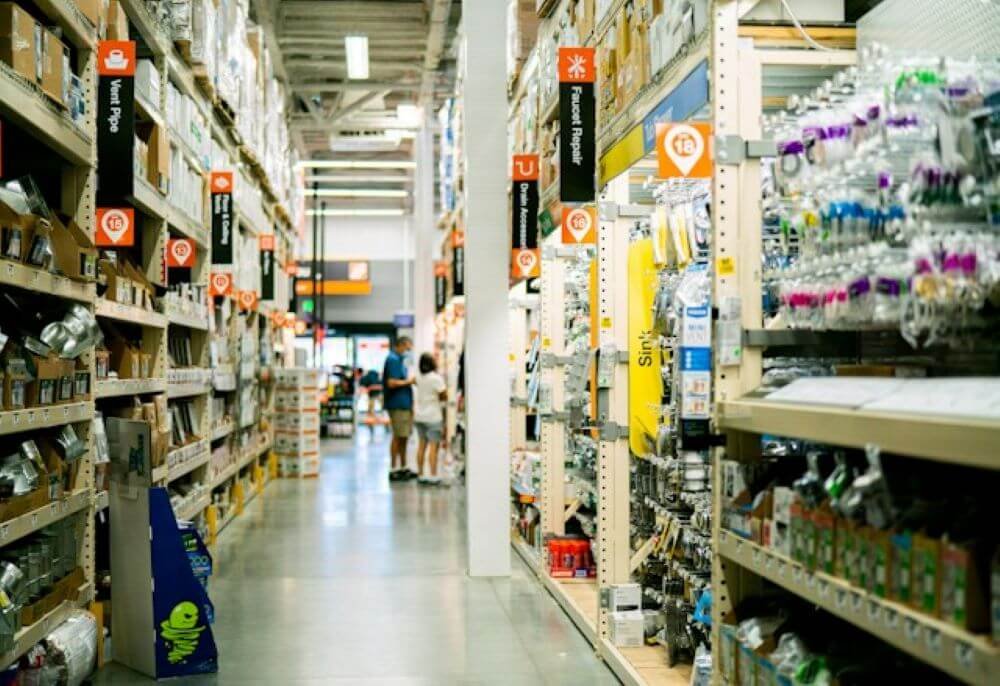
Your shelf layout can appear great on a screen, but that doesn’t always reflect what’s happening on your store shelf.
Products run out, new ranges are introduced and the list goes on. Your planogram won’t always match what’s happening in your stores.
Retail planogram software is evolving to allow merchants to update their shelf layouts and analyze what’s going on in their stores.
There are three areas to watch for: artificial intelligence, automation and compliance.
Read on to find out what these mean for retailers and where they should look first
You’ll Learn:
- What AI can do for your shelf
- Areas you can automate when planning
- More to think about with compliance
- Tips on selecting planogram software
Shelf Plans Need To Keep Up With The Store
Traditional planograms give stores a clear guide for product placement. They show which items belong on a fixture, where they sit and how much space each one receives.
However, a great planogram isn’t static.
Some locations may require more of one product, new packs may be introduced, certain items may be discontinued, and more.
You need someone to keep up with that and ensure your stores are following the latest version of your planogram.
This is where technology can come in handy. Using data such as product and fixture sizes lets you build shelves faster.
By using planogramming you will have an image of your approved layout that merchandisers can edit. An approved layout gives a compliance-monitoring system a reliable reference when checking whether a store followed the plan.
But creating a layout is just half of the equation.
AI Helps Answer Better Merchandising Questions
Artificial Intelligence is gaining popularity because so many factors go into what goes on your shelf.
You may have sales, local demand, stock levels, category management, etc that affect what products should be on your shelf.
AI can assist by looking at all that data and giving you recommendations that you can analyze further.
Say you are a grocery store with a range of beverages on your shelf. Product A is selling well but running out; product B has lots of space and isn’t selling as well. Using data, you could create a recommendation to move the space around, if it fits your fixtures, margins, stock, and more.
This is where technology can be helpful, but don’t expect it to make every decision for you. Why not?
- If Product A was out of stock, its sales figures may understate demand.
- Seasonal products could be selling higher, but it may not be year-round demand.
- Some products need space because of brand commitments or the role they play in the category.
Use technology to create recommendations, and allow your merchandisers to analyze the whys behind those suggestions.
Always ask what questions you would like answered before jumping into technology that may provide answers you didn’t need.
Automation Removes The Repetitive Work
Technology and AI are constantly mentioned together, but they each do different things.
AI can help you with recommendations, but automation will allow you to skip some of those steps when planning your shelves.
Software can place products within shelf dimensions, apply spacing rules or generate layouts for different fixtures. That can reduce the amount of manual rearranging needed when a product range changes.
Some steps you can automate when building shelves:
- Input your products and fixtures.
- Build your shelves based on rules you’ve created for your categories.
- Merchandiser can look over your layout for any mistakes, then publish to your stores.
- Make sure the right stores are getting the updated planogram.
Always have someone review your layouts; they may look correct, but your stores may struggle to replenish.
Always input the correct information when creating products; if your product size is incorrect, you’ll receive inaccurate layouts. You can also name your products, so if they’re automated, they’re easily searchable.
Doing this can save you a ton of time in the future, but may seem like busy work in the short term.
Compliance Is Becoming Part Of The Planning Loop
When you publish a planogram, you want to know if your stores are following it. By doing a compliance audit, you can see what your stores are displaying on their shelf.
They may be missing items, have the wrong facings, have products in the wrong location, or have the old version of a display on their shelf.
These issues can arise even when the shelf plan itself is sound.
In a March 2025 Coresight Research survey of 200 US retail business decision-makers, 88% of respondents reported being at least slightly challenged by planogram compliance or related insights.
While manually checking your shelves is helpful, it takes time to note everything down. Computer-vision software can analyse photos of shelves and compare them with the approved layout to flag possible mismatches.
But an automated alert still needs checking because glare, blocked products or similar packaging can confuse the software. Stores also need a process for confirming and resolving those alerts.
There is also an important difference between checking compliance and improving compliance. Alerts achieve little if nobody implements the corrections.
What Retailers Should Look For Next
Depending on your company, you may not need to dive into AI right away. If you have a smaller range of products, you may benefit more from having an accurate layout and simple version control than predictive recommendations.
Here are some tips when deciding on planogram software.
- Do you have accurate data to work with? Make sure you have your product’s sizes, sales, and other relevant information all in one location.
- Do you have variations between your stores? Know what fixture sizes you have and what products you sell at each location.
- How does your workflow operate? Who will be making updates, publishing to stores, and correcting errors?
- Can you check your store shelves? Will your process allow you to see what your stores are doing and take action when they aren’t meeting standards?
- How will you measure this? Once your store starts meeting standards, how will you see that? Track metrics that are important to you, like availability, accuracy, time to complete, etc.
- Always know what integrations you will need; some may require product, inventory, sales, etc to build your shelf, while others may use photos from your stores.
- Try testing your software with a difficult category. One that you change often or run into many issues with. This will allow you to see if any more steps are required from you when updating your shelf.
- Track metrics so you know how your shelf is doing and can improve those numbers.
Where This Leaves Retailers
It’s clear that shelf plans need to become more tied to execution.
AI will allow for improved shelf plan suggestions, automation will streamline tasks, and compliance can help find where shelf plans don’t align with what’s on the shelf.
These things will all play a big role, but they won’t succeed if you don’t first establish good product data and an executable plan. From there, start tying everything together piece by piece.
