

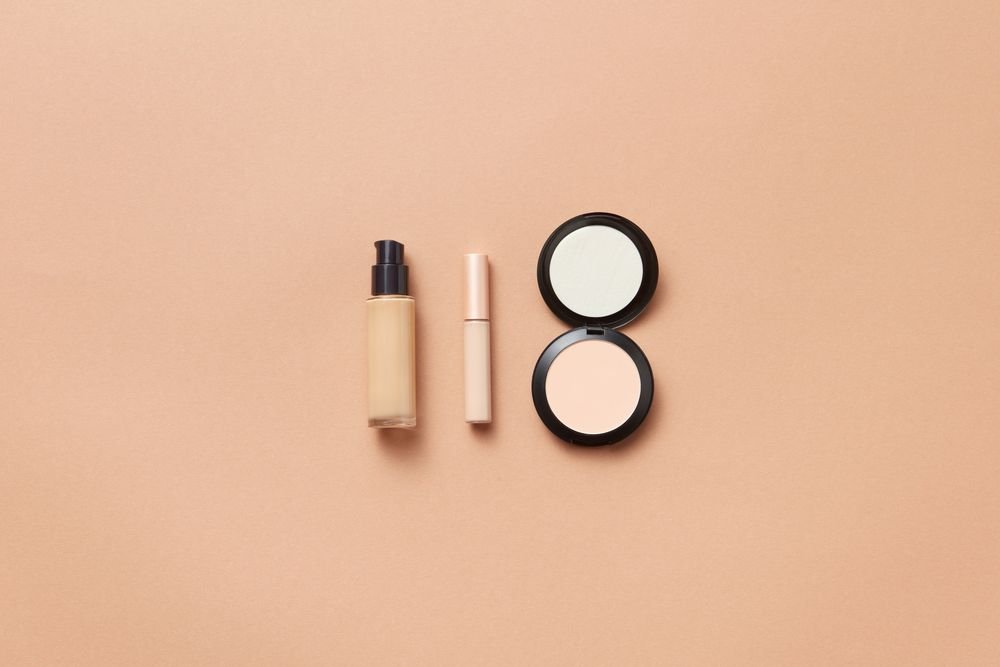
Cover FX just announced it is closing after more than 25 years in business. That alone is big news. But here’s what makes it stranger: the brand reported an 828% sales increase in 2024 after a brand refresh. Strong sales, loyal customers, long track record — and still shutting down.
This article explains exactly what happened, who made the call, what it means for customers right now, and what the closure says about the broader pressures hitting beauty brands today.
Yes, Cover FX Is Closing — Here Are the Facts
This is not a rebrand. It’s not a pause or a pivot. Cover FX is officially closing after more than 25 years in business.
The decision was made by AS Beauty, the New York-based parent company that owns the brand. AS Beauty announced the closures of both Cover FX and Mally Beauty at the same time, citing the same set of pressures for both brands.
The brand’s own messaging describes it as “beginning to wind down the Cover FX business” and confirms this chapter is closing. Cover FX’s Instagram and creator-shared readings of the official statement make the same thing clear.
As of the latest reports, no acquisition has been announced. No new owner has stepped in. No continuation under a different name is planned. This is a full shutdown.
Why AS Beauty Decided to Shut It Down
AS Beauty pointed to three main factors: tariffs, escalating operational costs, and a shifting global market. These are structural and macroeconomic pressures, not a product failure or a public scandal.
The language from official sources describes the marketplace as “transforming” in ways that made the legacy business model unsustainable. That kind of shift tends to hit mid-size brands hardest — they don’t have the scale to absorb cost increases the way large conglomerates can, and they can’t pivot as fast as small startups.
What makes this particularly interesting from a business perspective is the 2024 timeline. Cover FX went through a brand refresh that ran from roughly February to May 2024. According to Modern Retail, that refresh produced an 828% increase in sales over the same three-month period the previous year. Sara Mitzner, VP of brand marketing at AS Beauty Group, spoke about the refresh strategy and its results at the time.
That’s a real, significant number. And it still wasn’t enough.
This is a useful lesson for anyone running or analyzing a business: a strong quarter doesn’t mean the underlying model is healthy. A brand can generate impressive short-term revenue and still face unit economics that don’t work — especially when tariffs drive up the cost of goods and a shifting retail environment changes how and where customers buy.
The 2024 refresh proved people still wanted the product. It didn’t solve the structural cost problem.
What Cover FX Was — and Why the Closure Matters
Cover FX built its reputation on two things: a wide, inclusive shade range and formulas designed for sensitive or reactive skin. When the brand launched, both of those things were genuinely ahead of where the mainstream market was.
It developed a strong following among professional makeup artists, particularly those working with diverse clientele who had specific skin concerns — allergies, sensitivities, reactive conditions. Finding a foundation that performs well and doesn’t irritate difficult skin is harder than it sounds, and Cover FX was a reliable answer to that problem.
Hero products like the Custom Cover Drops and the Power Play Foundation earned loyal users who stuck with the brand for years. Some for more than a decade. That’s not common in beauty, where trends move fast and brand loyalty is fragile.
The brand was also an early mover on shade inclusivity — a positioning that dozens of newer brands later built their entire identities around. Cover FX was doing it before it became a marketing talking point.
That context is why community reactions have been strong. Creators describing the news as an “end of an era” and saying “this one hurts” aren’t being dramatic. For a significant chunk of the beauty community, especially professionals and people with sensitive skin, this closes off a product line that genuinely worked for them and was hard to replace.
What “Winding Down” Means for Customers Right Now
If you use Cover FX products and want to stock up, here’s the practical picture as of the most recent reporting.
Where to Buy Right Now
Products are currently available on CoverFX.com and Amazon while inventory lasts. The brand has used “last chance” language in its communications, which means no restocking is planned. Some items have been listed at steep clearance prices — around $8 in some cases.
Once inventory sells through, the only remaining option will be third-party resellers. That comes with the usual risks: older stock, uncertain storage conditions, and no way to verify authenticity. Buying directly now, while the brand’s own channels are still active, is safer.
Customer Support Is Ending
Cover FX has stated that its team will no longer monitor or respond to inbox messages as part of the wind-down process. If you have questions about orders or products, act sooner rather than later. That support window is closing.
Planning for Alternatives
If you depend on a specific Cover FX shade or formula, now is the time to start testing alternatives — not after inventory runs out. Look for brands that emphasize wide shade ranges and clean or sensitive-skin formulations. Read ingredient lists carefully, especially if you’ve relied on Cover FX for its skin-friendly profile.
Makeup artists who use Cover FX professionally should treat this the same way: audit your kit now, identify which products are hardest to replace, stock what you can, and start vetting substitutes before your clients start asking questions.
What This Says About the Beauty Industry Right Now
Cover FX is not the only brand feeling this pressure. AS Beauty shutting down two brands simultaneously — Cover FX and Mally Beauty — signals that these aren’t isolated decisions. They’re responses to industry-wide conditions.
Tariffs raise the cost of manufacturing and importing goods. Operational costs across the board have climbed. The retail and digital landscape has shifted in ways that favor either massive brands with distribution muscle or small, agile DTC operations with low overhead. Mid-size legacy brands often get caught in the middle.
You can read more analysis on brand strategy and business closures at Alpha Business Daily.
The Cover FX story is a clear example of how a brand can do a lot of things right — build real loyalty, develop genuinely useful products, execute a successful refresh — and still face a business model that stops working when external conditions change fast enough.
That’s not a failure of vision or marketing. It’s a structural problem, and it’s one that more legacy brands are likely to face over the next few years as costs stay high and the market keeps shifting.
Final Takeaway
Cover FX is closing. The decision was made by AS Beauty, driven by tariffs, rising costs, and a marketplace that changed faster than a legacy model could adapt to. The brand had strong products, real loyalty, and a recent sales spike — none of which was enough to offset the structural pressure.
If you’re a customer, buy what you need now while inventory is available on CoverFX.com and Amazon. If you’re a business owner or strategist, use this as a clear example of why short-term revenue growth and long-term business viability are two different things — and why external cost pressures can override even strong marketing results.
The brand is gone. What’s worth keeping is the lesson.
Read Also:
